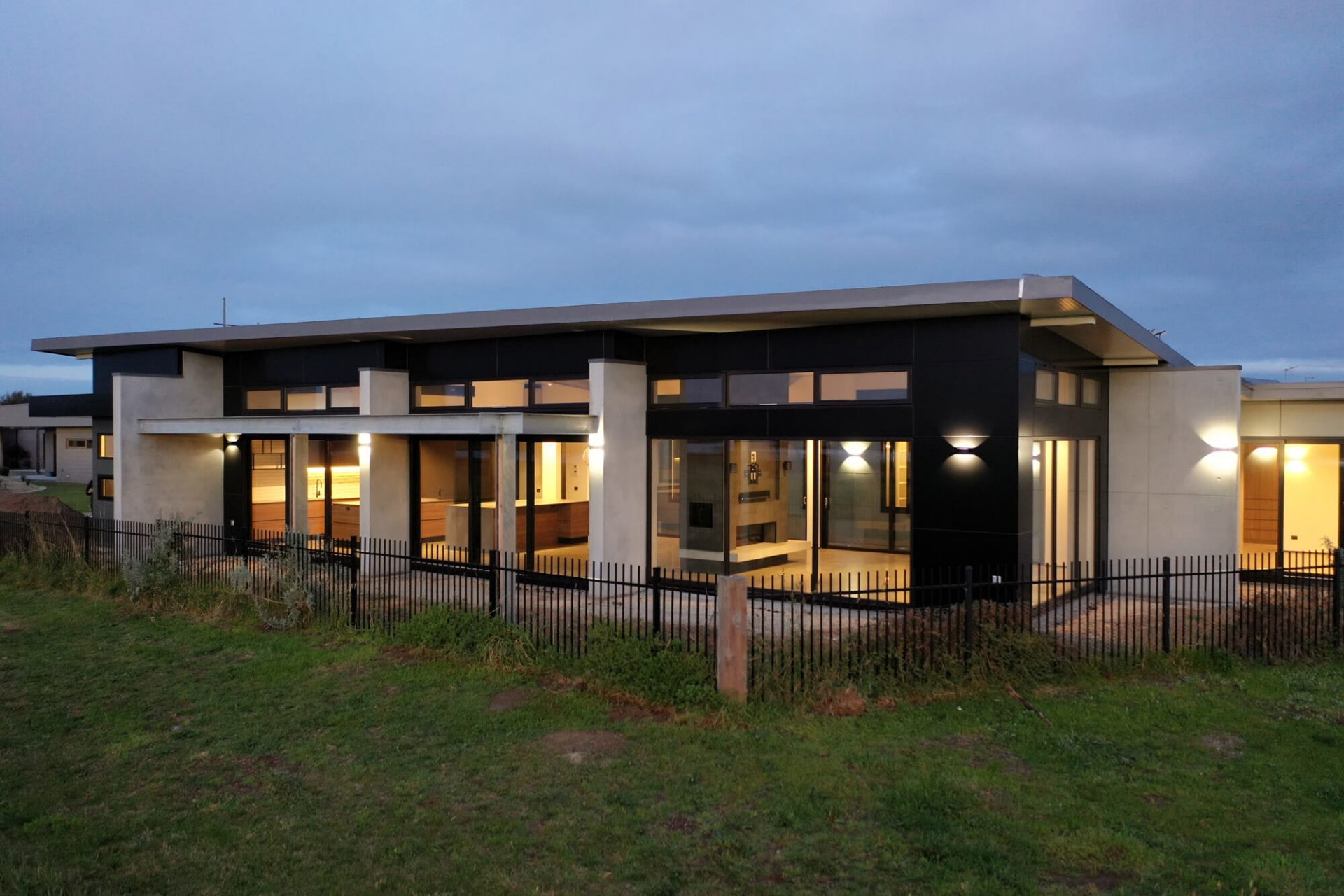
uPVC windows offer excellent thermal insulation, energy efficiency (reducing bills by up to 30% with argon-filled double glazing), superior noise reduction, and minimal maintenance requirements. They last 25-30 years and are condensation-resistant. Main drawbacks include limited colour customisation (with coloured options costing more), potential UV discolouration over time, and environmental concerns regarding manufacturing and disposal. Despite these limitations, uPVC remains the most cost-effective and energy-efficient window material for Australian homes.
For many years, aluminium and timber have been the go-to materials for window frames. However, in the 70’s, uPVC hit the scene and took the world by storm.
Here at Ultimate Windows, we strongly believe that uPVC is the superior material. This is why we make all our windows and doors from this incredible material.
In this blog, we will discuss the benefits and drawbacks of uPVC, illustrating why it is the perfect choice for new windows.
The Rising Popularity of uPVC Windows in Australia
Unplasticized Polyvinyl Chloride (known as uPVC) is made through electrolysis, which isolates and captures chlorine gas. This chlorine gas is then combined with carbon and hydrogen to form polyvinyl. Since no chemicals are added for softening, it is referred to as unplasticized.
The first uPVC windows were manufactured in Germany in 1935. The designs used are largely the same today, with some minor improvements made.
In the 1980s, Australians began to turn to uPVC for double-glazed windows, readily embracing their benefits. uPVC replaced aluminium and timber, which were previously the most popular options. Aluminium was rejected due to its lack of ability to resist condensation in double-glazed windows.
By 1990, uPVC was widespread in Australian homes. Its popularity rose again in the 2000s with the invention of ‘mock wood’ style uPVC, which aesthetically appealed to consumers. This allowed people to choose from a number of colours and styles to suit their tastes while still having the benefits of uPVC.
uPVC remains highly popular when it comes to window and door frames due to the practical and aesthetic benefits.
Pros: Excellent Thermal Insulation & Energy Efficiency
When it comes to energy efficiency, uPVC is unbeatable. uPVC is a low-conductivity material which effectively insulates your home. uPVC windows are especially effective due to their quality materials, multi-chambered design and tight seals.
Double-glazed uPVC windows provide excellent insulation. These windows contain two panes with a gap in between. This gap reduces heat transfer, slowing down the movement of heat through the window via conduction and convection.
Conduction is where molecules collide and pass heat energy to each other. If you have a single pane window, the surface conducts heat, transferring it to the outside surface. Meanwhile in double glazed windows, the gap between the panes restricts movement of air, slowing down conduction.
Convection is where cold air sinks and warm air rises. For single pane windows, warm air can escape through the window while cold air is drawn in. In double-glazed windows, the gap between the two panes prevents the movement of air, minimizing convection currents and further reducing heat loss.
This makes uPVC windows highly energy efficient. By reducing conduction and convection, they keep cold air in during the summer and warm air in during winter.
Ultimately, this reduces your energy bills as your air conditioning and heater do not have to work as hard. Many window installers fill the gap with argon gas, which can further improve energy efficiency by up to 30%.
In addition to this, uPVC windows are condensation resistant, helping you to prevent mould and damp in your home.
Pros: Durability & Low Maintenance
If you are looking for a long lasting but cost-effective solution, uPVC is an excellent choice. uPVC windows typically last 25 to 30 years, although high-quality uPVC can extend this even further.
While this lifespan is less than an aluminium frame by approximately 10 years, it is important to remember that uPVC has a significantly cheaper initial cost. uPVC is also more energy efficient than aluminium. This means it can be considered very cost effective.
When it comes to maintaining your uPVC windows, minimal upkeep is required. You may wish to wash the frame periodically with warm soapy water. In comparison, an aluminium window requires regular cleaning with specialised chemicals.
Pros: Sound Insulation & Noise Reduction
uPVC windows are fantastic when it comes to sound reduction. The material is a poor conductor of sound, meaning it doesn’t typically transmit sound waves. Double-glazed uPVC windows provide excellent sound insulation as the gap between the windowpanes effectively muffles sound.
While it is not totally soundproof, these windows reduce traffic sounds and outside noise. This will help make your home environment quiet and peaceful.
Cons: Limited Colour & Customisation Options
While uPVC has a number of benefits, it has limited customisability compared to aluminium and timber frames.
When it comes to colour, there are a finite number of shades available. Additionally, opting for colourful uPVC frames is more expensive as this involves applying a coloured foil laminate or specialised paint finish. This adds to the production costs.
uPVC windows do come in a number of styles to suit many tastes. These include:
- Casement windows
- Tilt and turn windows
- Bay windows
- Sliding windows
- Awning windows
- Sash windows
Here at Ultimate Windows, we manufacture all of our windows in-house, meaning we can create windows that suit your style and needs.
Cons: Potential for UV Discolouration
One of the downsides of uPVC windows is that their frames can fade over time due to exposure to sunlight and UV rays. This is more noticeable on coloured uPVC. Newer uPVC window frames have UV-resistant coating to prevent this, but some fading can still occur.
Cons: Environmental Concerns
From an environmental point of view, uPVC has a mixed record. While it increases home energy efficiency, the material itself could be considered problematic. The material itself is made from fossil fuels and manufacturing it requires chlorine which is energy intensive to produce.
uPVC is also not recyclable, so the material ends up in landfill. Additionally, if incinerated it leaches harmful substances like dioxins and hydrogen chloride into the environment so it’s important to dispose of it correctly. It also has a long use time before disposal.
Considering uPVC windows?
Ultimate Windows have over 15 years of industry experience creating custom uPVC double-glazed windows. We are so confident in our product that we offer a 12-year warranty on all our windows or doors.
If you’re considering new windows, why not contact us for a free quote? Reach out through our website or call your closest branch directly.
Frequently Asked Questions
How much can I save on energy bills with uPVC windows?
Homeowners typically save 15-30% on heating and cooling costs after installing double-glazed uPVC windows. The exact savings depend on your home’s size, climate zone, and existing insulation. Argon-filled double-glazed uPVC windows can improve energy efficiency by up to 30% compared to single-pane windows, with savings accumulating over the 25-30 year lifespan of the windows.
Can uPVC windows warp or crack in hot Australian summers?
Quality uPVC windows are designed to withstand extreme Australian temperatures without warping or cracking. Modern uPVC formulations include UV stabilisers and heat-resistant additives that maintain structural integrity in temperatures exceeding 40°C. Unlike some materials, uPVC has low thermal expansion, meaning it won’t significantly expand or contract with temperature changes, maintaining its shape and seal.
Are uPVC windows suitable for coastal areas with salt air?
Yes, uPVC windows are excellent for coastal properties. Unlike aluminium and steel, uPVC is completely resistant to salt corrosion and won’t rust or deteriorate in salty coastal environments. The material doesn’t react with salt spray, making it ideal for beachfront homes where metal frames would corrode over time. Regular cleaning with soapy water is sufficient to maintain them.
How do I clean and maintain uPVC window frames?
Maintaining uPVC windows is simple and requires minimal effort. Clean the frames every few months with warm soapy water and a soft cloth, avoiding abrasive cleaners or solvents that could damage the surface. Wipe down rubber seals to prevent dirt buildup, and occasionally lubricate hinges and locks with silicone spray. Unlike timber or aluminium, uPVC never needs painting, sanding, or specialist treatments.
Will uPVC windows increase my property value?
Yes, installing quality uPVC windows can increase property value and appeal to buyers. Energy-efficient double-glazed uPVC windows are attractive selling points, particularly as energy costs rise. They demonstrate low ongoing maintenance requirements, modern thermal performance, and noise reduction benefits. While the exact value increase varies by market, energy-efficient homes typically command higher prices and sell faster than comparable properties with outdated windows.