Key Takeaways
- Short answer: yes, quality uPVC is durable enough for Australian conditions when it is UV stabilised, tested and built to Australian Standards.
- Testing: the Deceuninck profiles we use have been exposure tested by Allunga Exposure Laboratory.
- Lifespan: uPVC windows typically last 25 to 30 years.
- Guarantee: we back our windows for 12 years, against the 5 years the Australian Window Association recommends.
Is uPVC durable? The common worry is that it will discolour, become brittle, crack and warp under harsh Australian sun and UV. It is a fair question, because the answer depends on the quality of the product you buy. This guide covers what makes uPVC last, how it is tested and what to ask a supplier.
Does uPVC Crack, Fade or Warp in the Australian Sun?
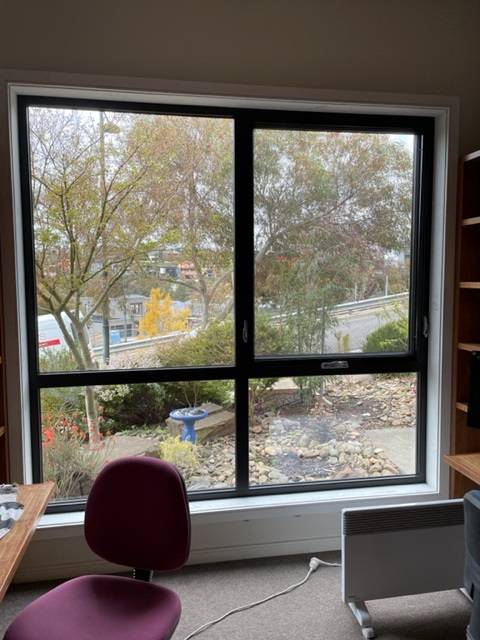
Not when it is good-quality uPVC. If you buy a poor-quality product, you get a poor-quality product, which is why it pays to research reputable suppliers. Older, lower-quality uPVC from decades ago was prone to yellowing, while modern UV-stabilised formulations are designed to resist it.
That is why the claim that uPVC is not durable enough for Australia does not hold up for quality systems. The quickest way to judge a product is to check how it is built, tested and certified. A reputable supplier will show you test results and certificates, not just claims.
Why Quality uPVC Holds Up in Australian Conditions
- UV stability: our uPVC is a UV stable mix designed for Australia’s climate.
- Low thermal expansion: uPVC does not expand or contract much with temperature changes, so it keeps its shape and seal.
- Salt resistance: uPVC does not rust or corrode in salty coastal air.
- Multi-chambered design: the frame and its tight seals suit storms and temperature extremes.
- Low maintenance: a wipe with warm soapy water every few months is enough, and uPVC never needs painting.
“We are overwhelmed with the quality, innovative design & technology of the uPVC systems.” Nicole Bianca & Dennis, Ultimate Windows customers.
How Our uPVC Is Tested
The Deceuninck profiles and materials used by Ultimate Windows have been exposure tested by Allunga Exposure Laboratory. The testing covers the areas below, and the materials are certified to the Australian Standard.
| Test | What It Checks |
|---|---|
| UV weathering | How the frame stands up to sun exposure |
| Water penetration | Whether water gets through a closed window |
| Fire resistance | How the material behaves in a fire |
| Acoustic performance | How much outside noise the window reduces |
| Air infiltration | How much air leaks through a closed window |
| Strength tests | Whether the window withstands applied loads |
| Operation tests | Whether it opens, closes and locks reliably |
Which Standards and Ratings Should You Look For?
Two checks tell you most of what you need to know about any window you are quoted.
- AS 2047: the Australian Standard for windows. The Window Energy Rating Scheme (WERS) relies on pre-certification to this standard for its generic products.
- WERS: the energy rating scheme run by the Australian Glass and Window Association. Ask for the WERS certificate for the window you are buying.
If a supplier cannot show you both, treat that as a warning sign. Ask for them in writing before you sign anything.
Where uPVC Can Still Show Wear
No material is perfect, and it is worth knowing where uPVC can show its age.
- Coloured frames: frames can fade over time with sun exposure, and this is more noticeable on coloured uPVC. Newer frames have UV-resistant coatings, but some fading can still occur.
- Colour cost: coloured uPVC costs more, because it needs a foil laminate or specialised paint finish.
- Older products: low-quality uPVC from decades ago was prone to yellowing, so check the age and source of any uPVC you inspect.
- Poor installation: it can lead to draughts, water leaks and reduced performance, and most manufacturers require professional installation to honour their warranties.
How Long Does uPVC Last?
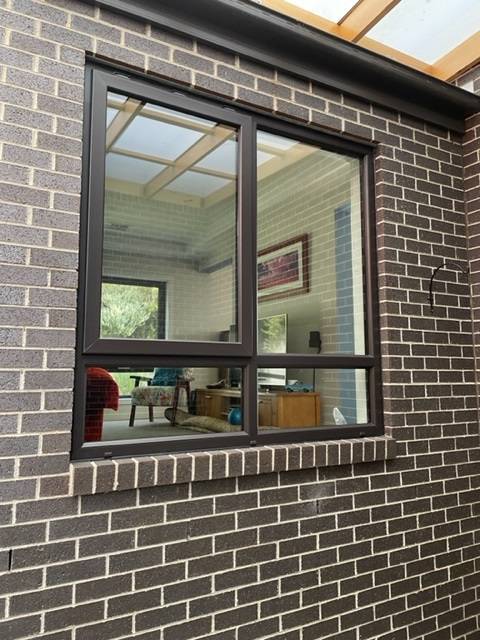
uPVC windows typically last 25 to 30 years, and high-quality uPVC can last longer. Deceuninck systems have been used in the Middle East for over 50 years, and many are still standing in their original homes.
We stand behind that durability with a 12-year guarantee on our windows and doors, which is 7 years more than the Australian Window Association’s recommendation. Every window is made in our Wodonga factory, so see our range of uPVC windows in Melbourne for styles and options.
uPVC vs Aluminium: How Do They Compare on Durability?
Aluminium is generally the more durable material, but uPVC wins on insulation, upkeep and upfront cost.
| Feature | uPVC | Aluminium |
|---|---|---|
| Typical lifespan | 25 to 30 years | 30 to 40 years |
| Maintenance | Wipe with warm soapy water | Regular cleaning with specialised products |
| Condensation | Resistant | Prone to condensation |
| Noise reduction | Strong | Not effective at reducing noise |
How to Spot a Poor-Quality uPVC Frame
- Ask for the standards: request proof of AS 2047 compliance and a WERS certificate.
- Ask about UV protection: find out whether the profile is UV stabilised and whether it has been exposure tested.
- Check the guarantee: compare its length with the 5 years the Australian Window Association recommends.
- Ask who makes and installs it: in-house manufacturing and installation give you one team to hold accountable.
- Compare specifications: weigh written specifications, not headline prices.
Frequently Asked Questions
Do uPVC windows warp in hot Australian summers?
Quality uPVC is designed to cope with Australian heat. It has low thermal expansion, which means it does not expand or contract significantly with temperature changes, so the frame keeps its shape and seal. A UV stabilised formulation and tight seals help it hold up through hot summers and storms.
Will uPVC windows yellow or fade?
Older, low-quality uPVC was prone to yellowing. Modern UV-stabilised products resist it, although some fading can still occur over time, especially on coloured frames. Look for built-in UV protection, exposure testing and a guarantee from a reputable manufacturer before you buy.
Are uPVC windows suitable for coastal areas?
Yes. uPVC does not rust or deteriorate in salty coastal air, because the material does not react with salt spray. Regular cleaning with warm soapy water is enough to maintain the frames, which makes them a practical choice for beachfront homes.
How long do uPVC windows last?
uPVC windows typically last 25 to 30 years, and high-quality uPVC can last longer. Maintenance is minimal, usually a wash with warm soapy water. Our windows and doors carry a 12-year guarantee, which is longer than the 5 years the Australian Window Association recommends.
How do I know a uPVC window meets Australian Standards?
Ask the supplier for proof of compliance with AS 2047, the Australian Standard for windows, and for a WERS certificate. The certificate describes the glass and frame, so check that it matches your quote. A reputable supplier will provide both without hesitation.
Get a Free Measure and Quote for uPVC Windows in Melbourne
The best way to judge durability is to see the specification for your own home. We manufacture uPVC windows and doors in our Wodonga factory and install with our own team, backed by a 12-year guarantee. Our quotes are itemised and fixed-price, with no hidden extras.
Request your free measure and double glazed window quote online or call 1300 898 782. If you want the full picture first, read the pros and cons of uPVC windows.