TL;DR
- Windows shape the look of your home, but energy efficiency, security and ventilation should drive the decision.
- Up to 30% of a home’s energy can be lost through old or inefficient windows, which pushes heating and cooling bills higher.
- Match the window style to your home’s era: sliding, bi-fold and fixed windows suit modern builds, while double hung, bay and casement windows suit Victorian, Boom and Federation homes.
- Frame material matters as much as style. uPVC offers the best balance of insulation, durability and low maintenance in the Australian climate.
- Double glazing is the modern standard, with triple glazing worth considering for extreme climates or high noise areas.
There are many reasons to choose wisely when deciding which windows are best for your home. New windows should blend functionality with style, increasing the appeal of your living space while playing a key role in the overall performance of your home.
Why Your Window Choice Matters
Windows are not only about aesthetics, although the design and architectural appeal of a property is greatly influenced by the appearance of its windows, often described as the eyes into the soul of your home. In our modern world, the primary factor that should influence your choice is energy efficiency.
Energy efficiency and running costs
Windows are a primary source of heat loss in Australian homes today. Up to 30% of energy loss occurs through old or inefficient windows, costing homeowners a significant amount in increased energy bills as heating and cooling systems work harder to hold a comfortable temperature inside. The Australian Government’s Your Home guide to glazing explains why glazing has such a large impact on a home’s thermal performance. Upgrading to energy efficient windows is one of the most effective changes you can make.
Comfort, condensation and noise
Properly chosen windows will not only save you money on bills but also improve indoor comfort by eliminating draughts and cold spots, condensation build-up and damp environments. High quality windows also provide sound insulation against external noise, helping to create a quieter, more comfortable and healthier environment for you and your family.
Security and peace of mind
Modern windows offer enhanced security features such as multi-point locking systems and reinforced frames. Toughened or laminated glass provides a much stronger barrier against accidents or intruders, giving the whole household extra peace of mind.
Natural light and ventilation
Natural light and fresh air are essential for overall wellbeing. Older windows often do not open or close properly and have smaller panes of glass that let in less light due to design constraints. They also relied on natural air leakage for ventilation, which was uncomfortable and uncontrolled. Controlled ventilation helps manage humidity, prevents damp and mould, and supports a healthier home.
Kerb appeal and property value
Finally, choosing the right window style enhances the aesthetics and kerb appeal of your property, which ultimately supports its market value. Updating your windows is a wise choice for comfort and energy savings, and a genuine long term investment.
Assessing Your Home’s Architectural Style
Looking at key features such as the roof, windows, verandas, decorative elements and materials will help you identify your home’s architectural style. Common Australian styles include:
- Victorian (1840 to 1890): steeply pitched roofs with high gables, verandas and balconies typically with elaborate cast iron lacework, brickwork either exposed or rendered, tall prominent windows and elaborate decorative details.
- Boom (1875 to 1890): a late Victorian era style that came about from the gold rush, characterised by lavish ornamentation such as ornate parapets, elaborate windows and verandas, scalloped roof tiles and multiple colours of brick in intricate patterns.
- Federation (1890 to 1915): typically built with red or dark brown brick, steeply pitched roofs, decorative timber elements, a front veranda with ornate detail, asymmetrical gables, and leadlight and circular windows.
- Modern (1940 to 1960): brick veneer was a popular and economical choice for post war houses, which were simple and functional with open floor plans and large windows. Roofs were often pitched and covered with terracotta tiles or corrugated iron, windows were large with steel frames, and outdoor living was a key feature with large verandas, patios and back yards.
Performance vs Functionality: Matching Windows to Your Needs
It is important to align new windows with your home’s architectural style, but above all your windows need to be energy efficient and functional. Choose low maintenance materials such as uPVC, and select sturdy locks and strong frames for added security. Windows should be operable to allow for proper ventilation, and double or triple glazed to insulate against heat gain in summer and heat loss in winter.
Double glazing is a window unit made from two panes of glass separated by a sealed, gas filled cavity that slows heat transfer. Double glazed windows are the standard for new and replacement work in Australia, while triple glazing adds a third pane for extreme climates and high noise environments.
Consider climate and orientation when choosing window size. Smaller windows may better suit a west facing opening in order to minimise the harsh afternoon sun, and all windows should be able to handle extreme heat and potential storms.
Some Popular Australian Window Styles
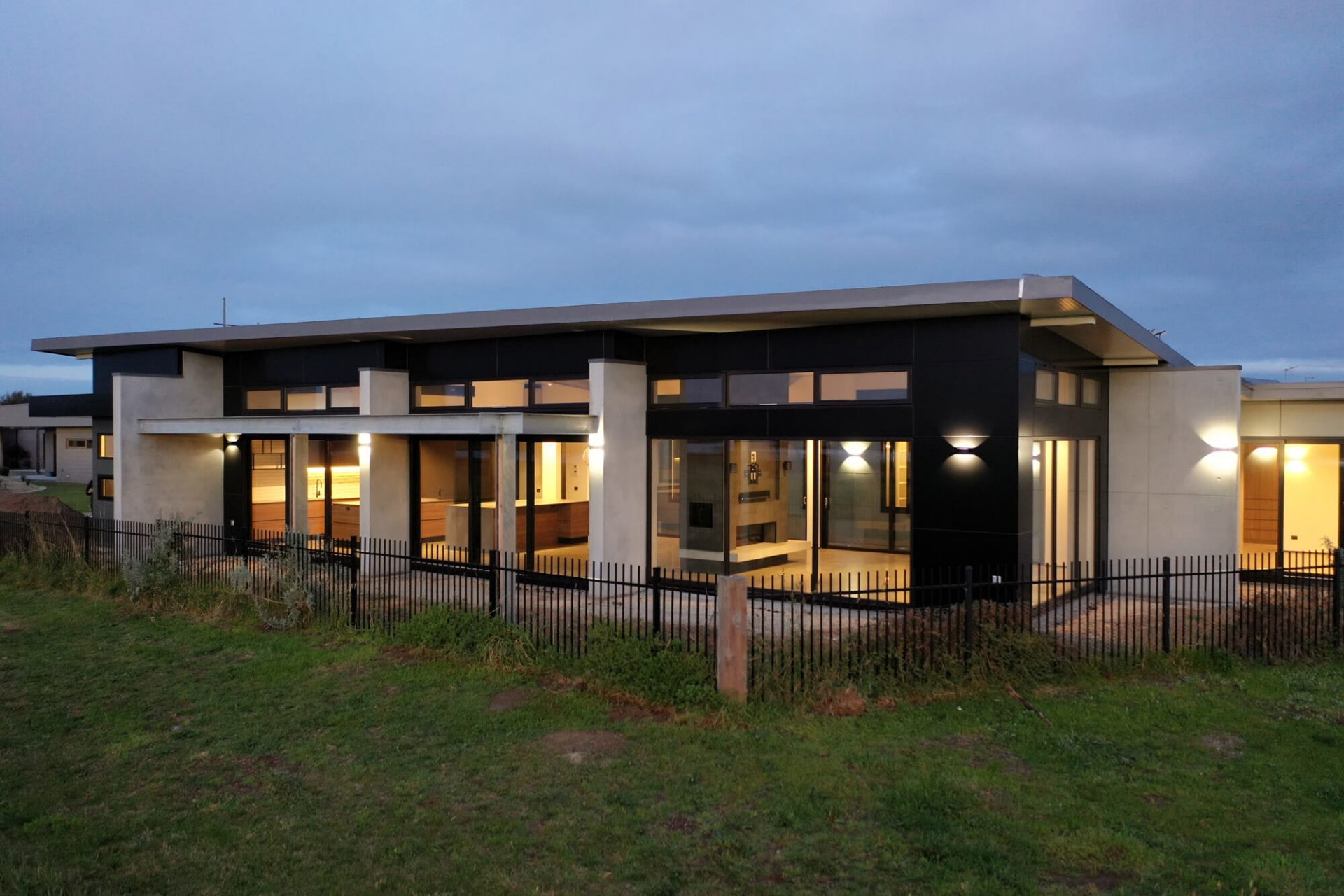
Your new windows need to match your home’s style while still providing the modern advantages that top quality windows offer. Large, clean lined windows such as sliders, bi-folds and fixed panes work well with more modern buildings, while double hung, bay and casement windows complement traditional or classical architecture.
For coastal properties, choose uPVC frames that will withstand salt and moisture, and consider popular styles such as louvres or sliding windows. Sleek aluminium frames with minimal detailing work well with contemporary or industrial buildings.
| Home style | Window styles that suit | Why it works |
|---|---|---|
| Modern and contemporary | Sliding, bi-fold, fixed picture, tilt and turn | Clean lines and large glass areas suit open plan living |
| Victorian, Boom and Federation | Double hung, casement, bay | Matches tall vertical proportions and traditional detailing |
| Coastal | Louvre, sliding | uPVC frames resist salt, moisture and corrosion |
| Industrial and warehouse conversions | Slimline aluminium or dark toned frames | Minimal sightlines suit a sleek, structural look |
What to Look for When Comparing Materials and Finishes
Always prioritise energy efficiency, structural performance and compliance with Australian Standards when choosing new windows. Different materials offer different advantages. For example, uPVC is excellent for energy efficiency and is very low maintenance, although some people feel it has a more plastic look.
Aluminium is modern, durable and low maintenance, but it conducts heat unless it is thermally broken. Timber is traditional and aesthetically pleasing, but requires more maintenance. Fibreglass is strong and energy efficient, but generally more expensive.
| Frame material | Thermal performance | Maintenance | Best suited to |
|---|---|---|---|
| uPVC | Excellent insulator, ideal for double and triple glazing | Very low, occasional wash down | Homeowners who want comfort, quiet and low upkeep |
| Aluminium | Conducts heat unless thermally broken | Low | Contemporary and industrial designs |
| Timber | Good natural insulator | High, needs sanding, sealing and repainting | Heritage homes and period restorations |
| Fibreglass | Strong and energy efficient | Low | Larger budgets and specialised applications |
Always compare quotes from different manufacturers, but look closely at what each window actually offers rather than simply choosing the cheapest price. Costs vary based on frame material, glass type and style. If you are upgrading an existing home rather than building new, our window replacement service covers measuring, manufacturing and installation in one process, and you can browse the full uPVC window range to see how each style looks in practice.
Frequently Asked Questions
What is the most energy efficient window style?
Fixed windows are the most energy efficient because they have no opening seals, followed closely by casement and tilt and turn windows, which compress tightly against the frame when locked. Frame material and glazing usually make a bigger difference than style, so a double glazed uPVC window will outperform a single glazed aluminium one in almost any configuration.
Do my new windows have to match my home’s architectural style?
They do not have to match exactly, but sympathetic proportions and frame colours help preserve kerb appeal and value. Choose a style that echoes the shape and vertical or horizontal emphasis of your original windows, then select the frame material and glazing based on performance.
Is double or triple glazing better in Australia?
Double glazing is the practical standard for most Australian homes and delivers the majority of the comfort, noise and energy benefits. Triple glazing is worth considering for alpine and very cold regions, homes near busy roads, railways or flight paths, and Passive House style builds.
Which window frame material lasts best in the Australian climate?
uPVC performs particularly well because it does not rot, rust, warp or corrode, and quality profiles are UV stabilised for local conditions. Coastal properties benefit most, as uPVC is unaffected by salt spray and moisture.
There is more to choosing new windows than you might think. With more than 15 years of experience at Ultimate Windows, our friendly and helpful staff are ready to offer advice on your window replacement, so book a free measure and quote today and we can fit top quality windows backed by our 12 year guarantee.