Key Takeaways
- Typical range: standard installed uPVC double glazed windows in Melbourne cost about $1,700 to $3,600 per opening, and doors cost more.
- What is included: installed prices cover the frame, argon-filled glass, removal of your old windows, installation and sealing.
- Whole home: a 3-bedroom home with 8 to 10 windows typically budgets $18,000 to $30,000.
- Free measure: an on-site measure gives you a fixed-price quote, backed by our 12-year guarantee.
The double glazing cost in Melbourne depends on the window, not on one headline price. Two homes with the same number of windows can land at very different totals once opening sizes, glass and access are factored in. Most Melbourne suppliers quote per opening, so the tables below do too.
Ultimate Windows manufactures Deceuninck uPVC systems in our own Wodonga factory and installs with in-house teams, so these figures reflect real supply-and-install work. All prices are indicative installed ranges in Australian dollars for common residential replacement projects. Your written quote should confirm inclusions, exclusions and GST.
How Much Are Double Glazed Windows in Melbourne?
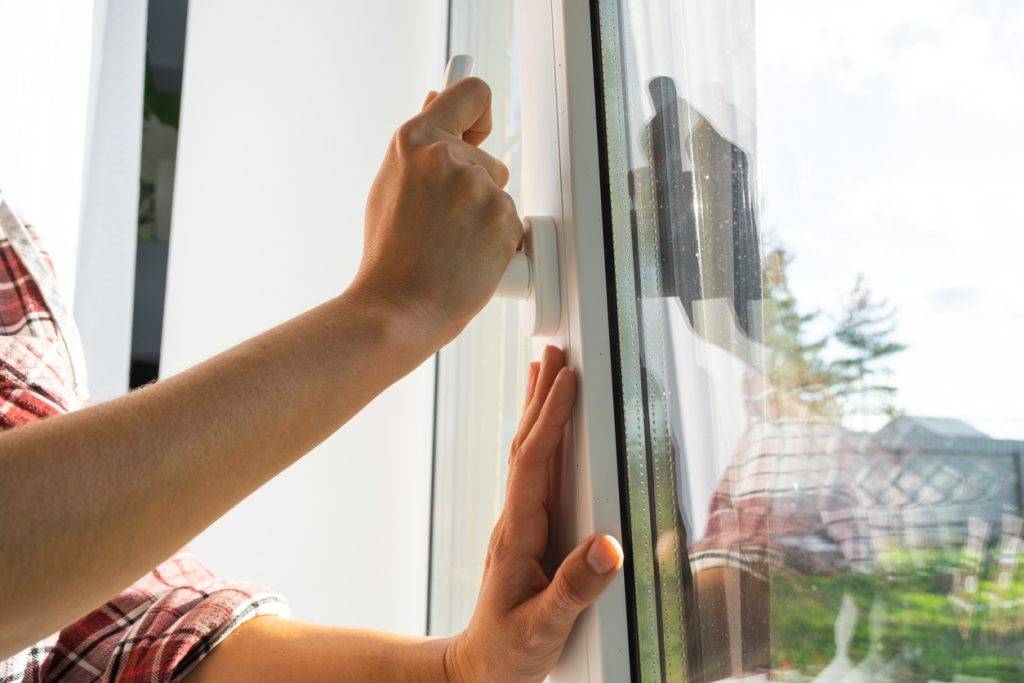
Double glazed windows in Melbourne price from about $1,700 to $3,600 per standard opening, installed. Use this price list for double glazed windows in Melbourne to sketch a budget. Fixed windows are the most economical, while bay and bifold units sit at the top.
| Window Type | Approximate Size | Estimated Installed Price |
|---|---|---|
| Fixed / Picture Window | 1200 x 1200 mm | $1,700 to $2,500+ |
| Sliding Window | 900 x 1200 mm | $2,200 to $3,400+ |
| Awning Window | 900 x 1200 mm | $2,100 to $3,400+ |
| Casement Window | 900 x 1200 mm | $2,100 to $3,400+ |
| Tilt & Turn Window | 900 x 1200 mm | $2,000 to $3,300+ |
| Double Hung Window | 900 x 1400 mm | $2,300 to $3,600+ |
| Bay & Corner Window (3-panel) | 1800 x 1200 mm | $5,500 to $10,000+ |
| Bifold / Stacking Window (3-panel) | 2400 x 1200 mm | $5,500 to $9,000+ |
These installed prices generally include:
- A uPVC multi-chamber Deceuninck frame system
- A double glazed insulated glass unit with argon gas as standard, at no extra cost
- Removal and disposal of your existing windows, recycled where possible
- Installation into the existing opening
- Sealing and perimeter weatherproofing
- Basic internal finishing around the frame
They typically do not include these items, which are quoted separately after a site measure:
- Structural enlargement of openings
- Major brick or render repairs
- Scaffolding for difficult access
- Custom architectural detailing
You may see supply-only prices advertised from around $800 per window. Those figures usually exclude removal, installation, disposal, reveals and sealing, which is why a fully installed opening sits higher.
“The quality of the windows and installation is also fantastic.” Santa Strudley, Ultimate Windows customer
Double Glazing Cost per Square Metre in Melbourne
Realistic installed ranges for uPVC double glazing in Melbourne homes depend mostly on the glass. Use them to sketch a whole-home budget before a site measure.
| Glass Specification | Estimated Installed Cost per m² |
|---|---|
| Standard Clear Double Glazing | $1,000 to $1,600 |
| Low-E Double Glazing | $1,150 to $1,800 |
| Acoustic Laminated Double Glazing | $1,300 to $2,000 |
| Triple Glazing | $1,600 to $2,500+ |
Square metre pricing is a general guide only. Smaller windows cost more per square metre than large ones, because measure, fabrication, hardware and labour do not scale down with the glass. That is why per-opening quoting is more accurate for most homes.
Double Glazed Door Prices in Melbourne
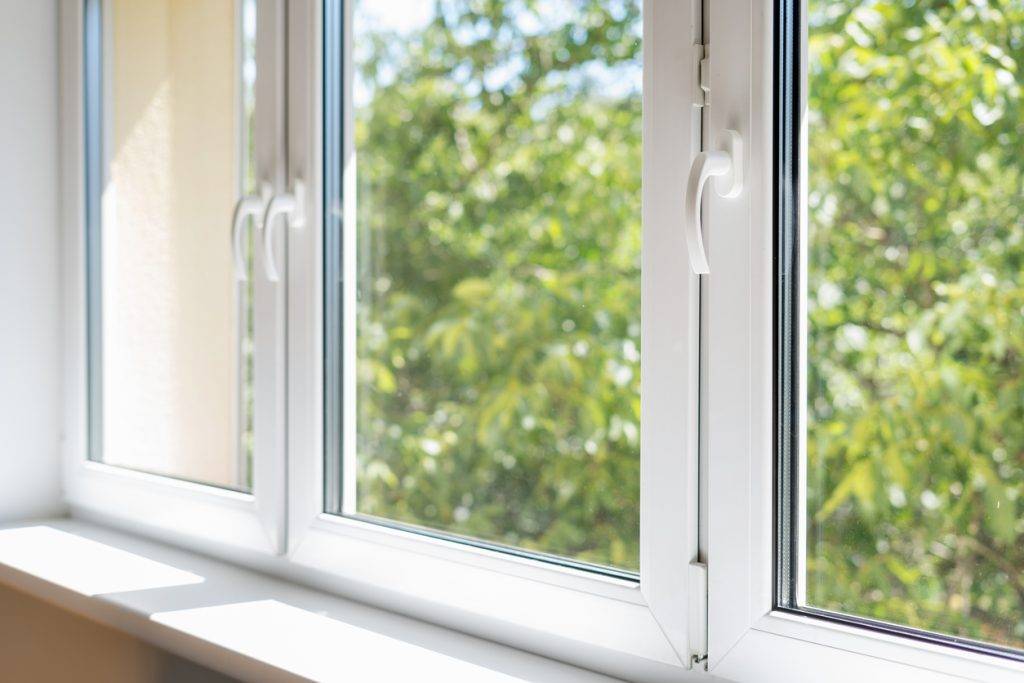
Doors cost more than windows because of their larger spans, heavier glass and more demanding hardware. Our double glazed doors in Melbourne are priced on the same installed basis.
| Door Type | Typical Size | Estimated Installed Range |
|---|---|---|
| Sliding / Patio Door (2-panel) | 2100 x 1800 mm | $3,800 to $7,500+ |
| Stacking Door (multi-panel) | 2400 to 4000 mm span | $7,000 to $14,000+ |
| French Door | Standard double opening | $4,500 to $8,500+ |
| Entrance Door | Standard single / double entry | $4,000 to $7,500+ |
| Bifold Door | Multi-panel (3 to 6 panels) | $9,500 to $18,000+ |
| Back / Laundry Door | Standard single opening | $3,500 to $6,000+ |
Whole-Home Double Glazing Cost Examples
These totals assume standard access and like-for-like replacement without major structural changes.
| Home Size | Typical Scope | Estimated Budget Range |
|---|---|---|
| 3-Bedroom Home | 8 to 10 windows | $18,000 to $30,000 |
| 4-Bedroom Home | 12 to 15 windows + 1 sliding door | $30,000 to $48,000 |
| Larger / Architectural Home | 15+ windows + multiple doors | $45,000 to $85,000+ |
Victorian households with single-glazed windows may be eligible for discounts under the Victorian Energy Upgrades window glazing program. It lists an indicative $210 for upgrading four large windows, about 10 square metres in total. The final price is set by the accredited provider, so ask us how the current rebate applies to your project.
What Affects Double Glazing Cost the Most?
A quote is rarely driven by one thing. It reflects window size, style, glass performance and site conditions.
- Size and span: larger openings need more glass, stronger steel reinforcement inside the uPVC frame and heavier-duty hardware.
- Style: fixed units are cheapest. Sliding windows add tracks and rollers, awning and casement windows add hinges and compression seals, and tilt and turn windows add multi-point locking.
- Glass: performance upgrades change the price, as the table below shows.
- Access: second-storey windows may need scaffolding, and narrow side access or steep blocks add labour time.
- Older homes: double brick, out-of-square openings and rendered facades need careful finishing.
- Approvals: lintel replacement, heritage overlays or body corporate approval can move the figure beyond a like-for-like replacement.
| Glass Upgrade | Typical Cost Increase |
|---|---|
| Low-E coating | +10% to 20% |
| Acoustic laminated glass | +20% to 35% |
| Toughened safety glass | Project dependent |
| Increased pane thickness | Project dependent |
Low-E glass suits Melbourne’s cooler winters, while acoustic laminated glass is worth specifying near major roads, train lines or busy suburban streets.
How to Compare Double Glazing Quotes
Large price gaps usually come from glass specification, frame reinforcement, hardware quality or installation scope, so compare written specifications, not headline totals.
- Check the frame system, glass specification and hardware.
- Confirm removal and disposal of your old windows is included.
- Look for installation, sealing and finishing around the frame.
- Ask what is excluded and how unforeseen issues will be priced.
- Check the guarantee and whether GST is included.
Our guarantee runs for 12 years, against the 5 years the Australian Window Association recommends. To see your exact figure, request a free measure and a double glazed window quote online, or call 1300 898 782.
Frequently Asked Questions
How much do double glazed windows cost in Melbourne?
Standard installed uPVC double glazed windows in Melbourne typically cost about $1,700 to $3,600 per opening. Fixed windows sit at the low end and double hung windows at the top. Doors cost $3,500 to $18,000+ per opening. Size, glass and access change the total, so a free measure gives you an accurate figure.
How much does it cost to double glaze a 3-bedroom house?
A 3-bedroom home with 8 to 10 windows is typically budgeted at $18,000 to $30,000 installed. That assumes standard access and like-for-like replacement without major structural changes. Larger homes, doors, acoustic glass and difficult access increase the figure, and a free on-site measure confirms your price.
Why are some double glazing quotes much cheaper than others?
Large price gaps usually come down to glass specification, frame reinforcement, hardware quality or installation scope. A cheaper quote may use thinner glass, simplified hardware, or leave out removal and finishing. Compare written specifications, not headline prices, and ask what is excluded before you accept a quote.
Can I get a rebate on double glazing in Melbourne?
Eligible Victorian households may access discounts through the Victorian Energy Upgrades program, depending on the product and installation. The program lists an indicative $210 for four large windows, and the final price is set by the accredited provider. We can explain how the current rebate applies during your free measure and quote.
Does replacing only the glass reduce the cost?
It can look cheaper up front, but existing frames often cannot properly support a double glazed unit. Full window replacement usually delivers better insulation, sealing and durability over the life of the window, which is why our installed prices include a complete uPVC frame.
Is double glazing worth it?
For most homeowners replacing windows, yes. Double glazing improves comfort, reduces outside noise and can lower heating and cooling use, although savings vary with your home, climate and current windows. The upfront cost is higher than single glazing, so a free measure helps you weigh the numbers.
Get a Fixed-Price Double Glazing Quote in Melbourne
Every home is different, so the most accurate way to know your cost is a free on-site measure. We manufacture your uPVC windows and doors in our Wodonga factory and install with our own qualified teams, backed by a 12-year guarantee. Our itemised, fixed-price quotes come with no hidden extras.
“We are thrilled with our new windows.” Martha, Ultimate Windows customer. Claim your free measure and quote online or call 1300 898 782, and explore our double glazed windows in Melbourne range.